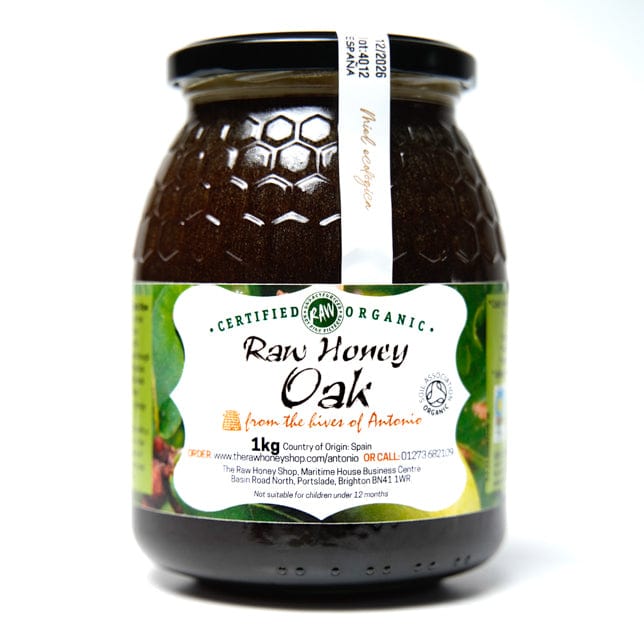
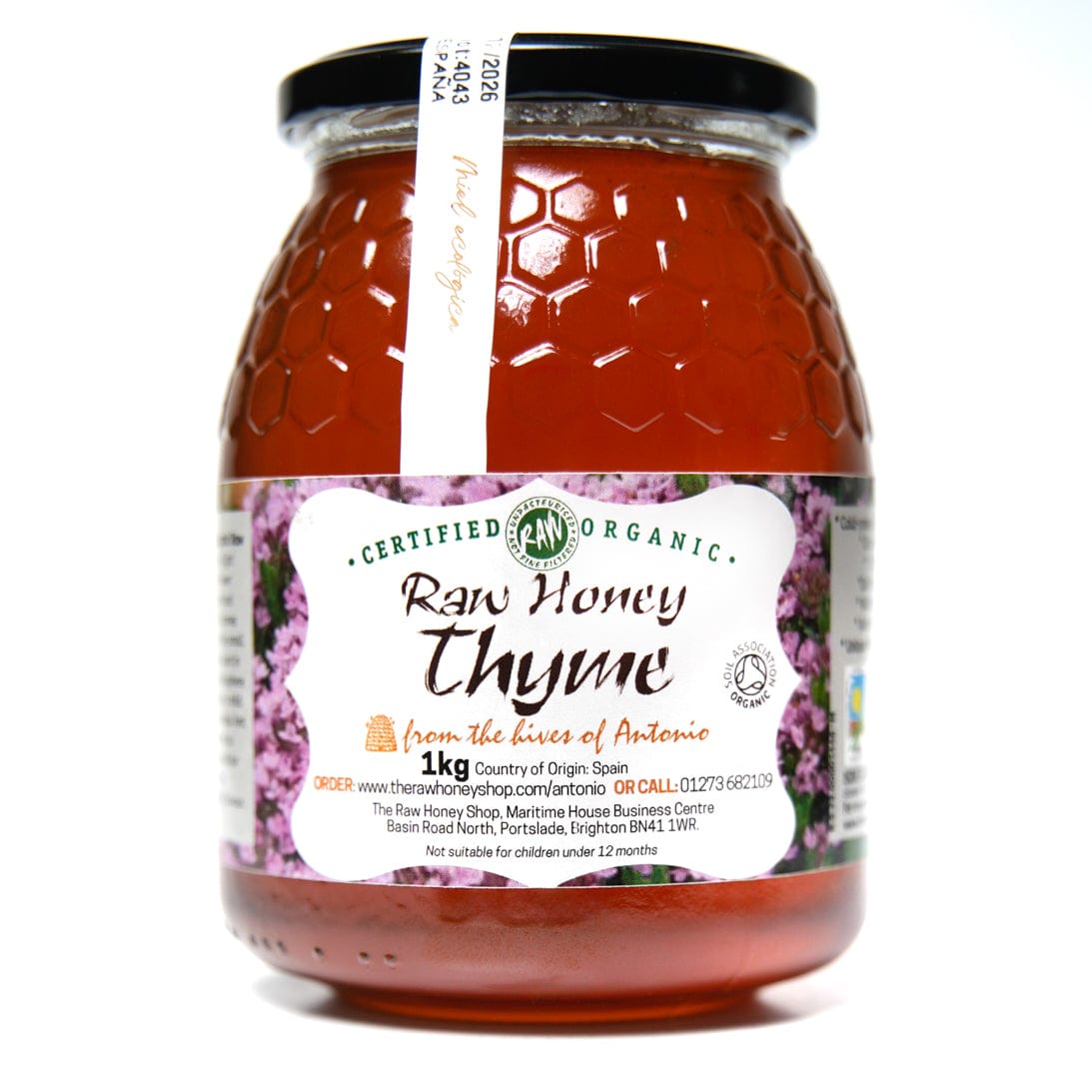
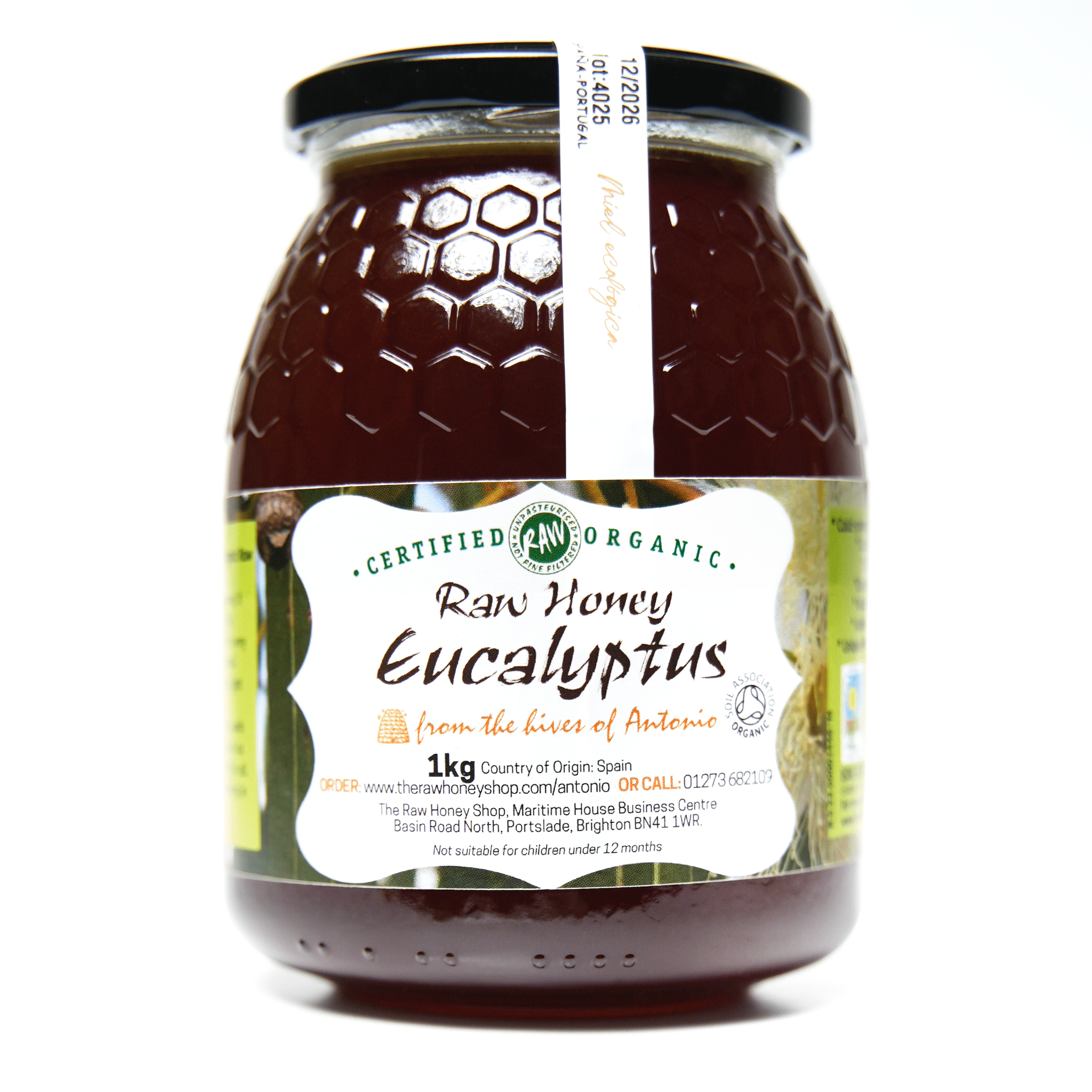
When we say our honey is raw, we mean a few things.
The most basic point is that Raw honey is honey as it was in the hive. Itis simply extracted without heat and lightly strained to remove debris, preserving its natural enzymes, pollen, propolis and antioxidants. In contrast, processed honey undergoes intensive filtering and heating that destroys many of these beneficial compounds.
Raw honey crystallises naturally over time and appears cloudy with visible particles of pollen or honeycomb, whereas processed honey is filtered and heated to create a clear, always-liquid product that looks more appealing on store shelves.
Raw honey's flavour is exactly as created by the bees and is determined solely by what flowers and trees the bees visited, creating distinctive monofloral varieties each with their own unique taste profile.Commercial honey, however, is typically blended from multiple sources to create a standardised taste that remains consistent year-round.
Rawhoney undergoes very minimal processing –
just simple straining to remove obvious debris like wax and dead bees. In
contrast, processed honey goes through ultra-filtration that sometimes removes
even microscopic particles including beneficial pollen.
Raw honey has all the natural enzymes and beneficial compounds intact. Processed honey, through heating and filtering, loses many of these natural
properties - the more intensive the processing, the greater the loss of
beneficial compounds. We can tell from lab tests we run that the honey we
buy is fresh and unprocessed.
Each batch of raw honey is different – it
varies in colour, consistency and flavour based
on seasonal changes and nectar sources, while processed honey is
deliberately standardised to look and taste the same regardless of its
source or season of production.
Raw honey is normally produced by small-scale or organic beekeepers who
prioritise ethical, sustainable practices, ensuring the health of the bees and their environment. Processed honey from large commercial suppliers is mass-produced, sometimes at the expense of ethical beekeeping practices,including overharvesting and artificial feeding of bees with sugar syrups.