

The Real Reason People Are Adding Fresh Bee Pollen to Their Diet

I remember when I first started to REALLY fall in love with all things honey-related, and I noticed something about bees that I’d never really thought of before.
I was visiting Antonio, our top man on the ground with hives in Spain, watching his bees foraging. If you look closely, you'll see tiny pellets of pollen on their back legs.
We’ve all seen the documentaries with David Attenborough, where they’ll show the typical yellow pellets… but I was noticing deep oranges, even purples on some of his bees.
On the way back to his house, I spoke to Antonio about the pollen, with a dodgy mix of English and Spanish! And he said each colour tells you something about where they've been, and which flowers they've visited.
It struck me then how bee pollen is essentially a complete record of their journey through the surroundings. But it also plays some part in the taste and the nutritive value of the honey that they make.
Once we opened the door to his house, he said: “espera en el sofa… wait on the couch.”
I plonked myself down. When he came back a moment later, he had a jar from the freezer in his hand. He popped it open, and inside were a few bee pollen grains that he tipped in my hand.

They were absolutely delicious, it was like having little flavour explosions in my mouth. That was actually the first time I’d tried bee pollen. (This was fresh bee pollen that had only been harvested a few days before).
“Quieres más? Want more?” Antonio asked me…
…you better believe I said “Si, por favor!”
What Actually Is Bee Pollen?
Bee pollen is flower pollen that's been collected by honeybees and mixed with a small amount of nectar and bee saliva. The bees pack it into little pellets and carry it back to the hive on their legs. It's their primary source of protein… essentially, it's what feeds the whole colony.
Scientists have identified over 200 different substances in bee pollen.
- Proteins
- Amino acids
- Vitamins
- Minerals
- Enzymes
- Antioxidants
The list goes on.
The German Federal Board of Health has actually recognised it as a medicine, and research published in the National Institutes of Health describes it as containing all nine essential amino acids… the full set your body can't produce on its own.
You'd struggle to find another single food that does all that!
Why the Sudden Interest in Bee Pollen?
I've noticed more and more customers asking about bee pollen over the past couple of years.
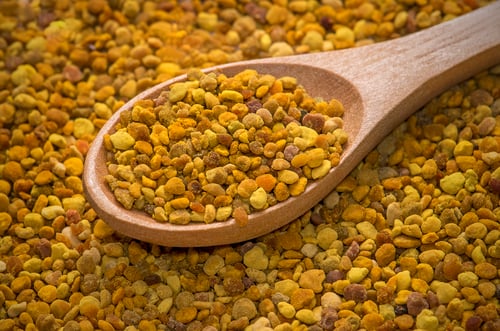
Some customers are athletes looking for natural energy. Others are interested in immune support, particularly those who are more susceptible to the cold. A fair few have read about its anti-inflammatory properties… research has shown bee pollen can help reduce inflammation, support liver function, and even lower cholesterol.
But here's the thing:
Not All Bee Pollen Is the Same
This is where it gets complicated, because the bee pollen market is a bit of a mess.
Fresh bee pollen naturally contains some moisture, but that same moisture means it can go mouldy within a few days (if not handled properly). So most commercial products are dried or freeze-dried to extend shelf life… including our own.
But even properly dried pollen loses around 30% of its beneficial compounds within three months. After six months, we’re looking at 50% loss.
And that's before we even talk about contamination.
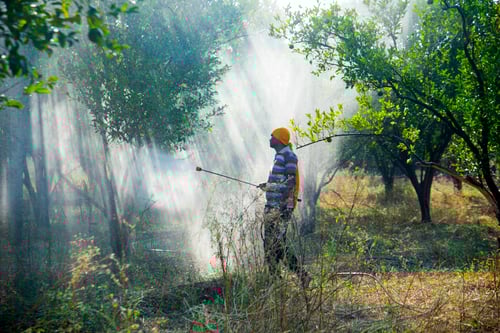
Because a 2024 research analysis found 358 different pesticides in bee pollen samples collected globally. And bee pollen isn't regulated for pesticides like other foods are, which leads to the question…”what are we actually consuming?”
This is why source matters enormously.
The Connection to Raw Honey
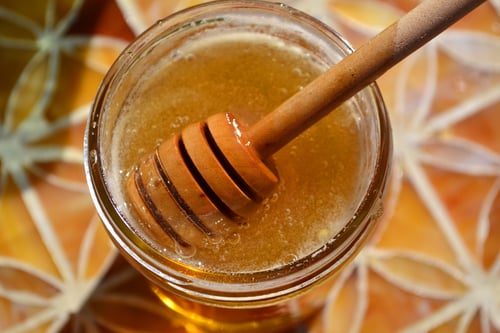
Here's something that often gets overlooked: if you're eating genuine raw honey, you're already getting bee pollen. When honey is extracted from the comb, it naturally contains pollen, propolis, and traces of everything else in the hive.
The problem is that commercial honey processing deliberately removes all of this. Ultra-filtration strips out the pollen entirely, and pasteurisation kills the enzymes.
What you're left with is essentially sweet syrup. This is why we only ever coarse-filter our honeys. We want that pollen staying exactly where it is.
That cloudiness you sometimes see in honey? That's pollen.
How People Use It
Bee pollen is incredibly versatile.
- A teaspoon in your morning smoothie
- Sprinkled over yoghurt or porridge
- Some people just take it straight from the jar
And the taste varies depending on where it comes from. So pollen from Spanish mountain wildflowers will taste completely different to pollen from Greek oak forests. Some batches are sweet and floral, others more earthy and complex.
Like honey, the natural tastes of the local landscapes are carried in every jar!
However…
A REALLY important thing to note:
Allergy sufferers need to be super careful with bee pollen. If you’re interested in trying it and suffer from allergies, our advice is to start with a few grains… wait a bit… then try a larger amount until you are sure you are NOT having a reaction.
The Bigger Picture
What I find fascinating about bee pollen is how it connects to everything else the bees produce.
The pollen feeds the colony.
The colony makes honey.
The honey contains traces of the pollen.
So when you buy honey from a beekeeper who knows their land and tends their hives properly, you're getting a little piece of the whole system. And to maintain the health of their colonies, our beekeepers always make sure the bees have more than enough pollen for the next generation of worker bees.
That's what we've always been about at The Raw Honey Shop.
Because what makes our work feel truly special is connecting UK honey lovers to honey products from the far corners of the world… each with a unique story.
And bee pollen is one more piece of that fantastic story.
Tim
Founder, The Raw Honey Shop
________________________
By the way: the Raw Honey Shop stocks (recently harvested) dried bee pollen, with one beekeeper, Luisa from Spain, specialising in it. We have:
- Luisa’s Raw Organic Chestnut Bee Pollen
- Luisa’s Dried Raw Organic Rock Rose Bee Pollen

And for more info regarding bee pollen, check out some of these articles:
-
Trends in Analytical Chemistry – Unveiling bee pollen's contamination with pesticides and mycotoxins: Current analytical procedures, results and regulation
-
PMC – Bee Pollen: Current Status and Therapeutic Potential
-
PMC – Bee Pollen as Functional Food: Insights into Its Composition and Therapeutic Properties
-
WebMD – Health Benefits of Bee Pollen